Covent Garden
Covent Garden: Market, culture and the West End In the heart of the West End, Covent Garden brings together historic market halls, shops,...
Historic streets in the City, theatres and restaurants in the West End, former dock basins in the east and maritime heritage in Greenwich: London’s districts offer very different ways to experience the city. Planning a day around one area lets you take in its architecture, history and contemporary life as a whole. Two geographical levels help you find your bearings: Greater London comprises 32 boroughs and the independently administered City of London; well-known names such as Soho and Covent Garden refer to smaller neighbourhoods.
 Londons Stadtteile
Photo: Alesia Belaya
A borough is a larger administrative district that includes several areas. Neighbourhood names, by contrast, often describe smaller places known in everyday use. Their boundaries may be indistinct. “West End” is a collective term for several central cultural and business areas. A borough’s name may also refer to a more narrowly defined neighbourhood. A street, postcode and precise location on a map therefore identify an address more accurately than a place name alone.
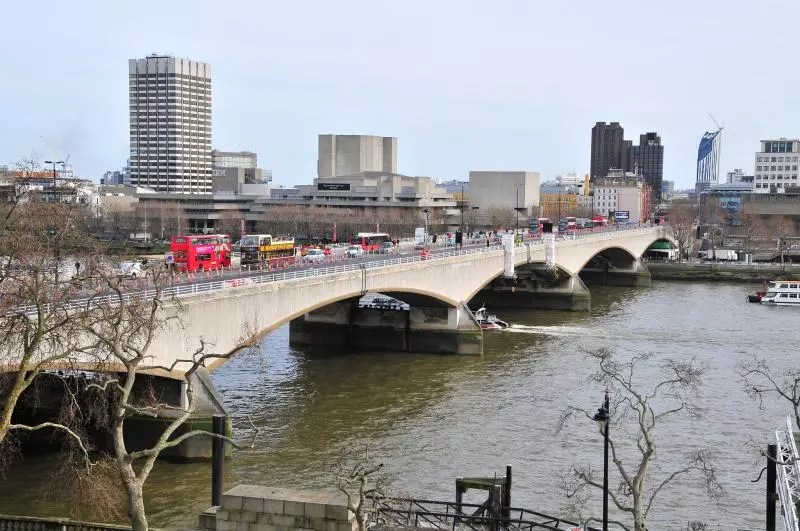
The City of London forms the city’s historic core and has its own municipal administration. Its history reaches back to the Roman settlement of Londinium; to this day, historic sites sit alongside modern office and commercial buildings. Historic churches and streets stand next to skyscrapers. Westminster lies further west and is a separate administrative area. For a visit, the City can be explored as a destination in its own right, with church architecture, the history of trade and a walk along the Thames.
In Soho, theatres, music, restaurants and street life come together in a compact area. The West End neighbourhood is ideal if you want to plan an evening around a performance or live music, with a stroll through the area beforehand. Carnaby Street, smaller side streets and neighbouring Chinatown each offer a different mix of shopping and dining. A walk makes the transitions between these streets more apparent than a series of brief stops.
Soho is part of a busy city centre with plenty to do in the afternoon and evening. You could make a performance the fixed point of your visit, while keeping dinner and the earlier stroll flexible. Those more interested in music history or contemporary culture will choose different stops from visitors whose focus is shopping. This kind of itinerary brings the neighbourhood to life as a lively part of the city.
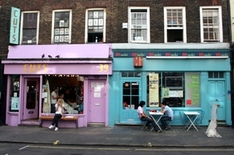
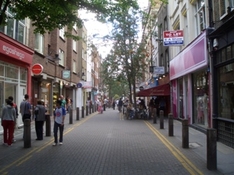
Covent Garden is characterised by its historic market hall, squares, shops and proximity to West End theatres. A stroll around the former market area can be combined with a cultural visit. The London Transport Museum and the Royal Ballet and Opera offer contrasting experiences: one focuses on urban transport and its history, the other on the performing arts. In between are streets and squares that are ideal for a wander and a break.
Soho and Covent Garden are close to one another and can be combined for a day in the West End. Each neighbourhood has its own character. Walking on from the market area through the surrounding streets, you can experience the shift between squares, shops and theatre districts. An evening performance or an extended museum visit can serve as the day’s centrepiece, with the rest of your route planned around it.
The Royal Borough of Kensington and Chelsea encompasses a variety of residential and cultural areas west of the central West End. South Kensington is home to the Victoria and Albert Museum, the Natural History Museum and the Science Museum. Each offers a distinct focus: art and design, natural history or science. If you are interested in visiting more than one, it helps to choose a museum first and plan the surrounding area as an addition.
Kensington and Chelsea are well-known place names within the same administrative borough, but each has its own streets and attractions. Residential streets, shopping areas and nearby green spaces reveal other facets of this part of west London. A museum visit can be combined with a walk through the neighbouring streets or towards Kensington Gardens. The route depends on the museum and your preferred park entrance, so it is worth checking the exact locations of your destinations.
Islington lies north of the central West End areas and combines busy main streets with smaller squares, shops, theatres and residential neighbourhoods. The name refers both to a borough and to the better-known inner area around Angel and Upper Street. The borough also includes other distinct areas. For a specific visit, Angel, Upper Street or a particular venue therefore provides a more precise starting point than the borough name alone.
Restaurants and shops shape the street life along Upper Street. Camden Passage offers a different feel, with its small shops, while dance and theatre provide further reasons to visit the area. Sadler’s Wells and the Almeida Theatre appeal to different theatrical interests. Choose a performance or a walk as your focus and leave time for the streets in between. Islington makes for a day of local bustle, culture and small discoveries away from the grand, formal squares.
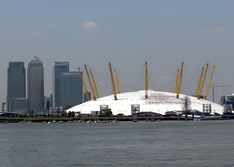
The Docklands refers to London’s former docks and warehouses in the east. The name covers several areas along the Thames and on the Isle of Dogs, extending beyond individual borough boundaries. Old dock basins, preserved dock buildings, and new offices and residential neighbourhoods illustrate different phases of the city’s development. The contrast is particularly striking where the former dock layout remains visible alongside modern architecture.
A visit can focus on the transformation from a trading port to new business and residential areas. It makes sense to choose a specific part of the Docklands, since the name covers a large area. Dock basins, riverside paths and individual cultural sites can each be destinations in their own right. If you are interested in architecture, look at how the water, new skyscrapers and preserved buildings relate to one another. For a historical perspective, the focus is on the work once carried out in the docks and international trade.
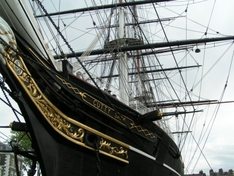
Greenwich lies on the Thames in south-east London and has a distinct town centre. The historic sailing ship Cutty Sark, the National Maritime Museum, the Queen’s House and the Royal Observatory each offer a different perspective on seafaring, art and astronomy. The Old Royal Naval College grounds and Greenwich Park complement the historic buildings. This makes it possible to combine architecture, collections and a longer walk in the same part of the city.
The park rises towards the Observatory, and its higher paths offer views across the river and city. For a day in Greenwich, you could choose one museum as your main destination and then explore the park or riverside. If you want to spend time at several of the attractions, plan accordingly. Greenwich is part of Greater London and makes a distinctive south-eastern destination. Getting there and travelling between the town centre, riverside and park are all part of the visit.
Wimbledon lies in south-west London and is internationally associated with grass-court tennis. Alongside the tournament grounds, the area includes a distinct town centre, Wimbledon Village, residential streets and the green spaces of Wimbledon Common. Tennis history and a walk therefore take you to different parts of the area. Your choice depends on whether you are most interested in the sport, local street life or open spaces.
Wimbledon Village is ideal for browsing shops and restaurants, while Wimbledon Common offers longer walks in the countryside. Rather than trying to squeeze every part into a short circuit, you can plan your visit around one of these interests. For tennis fans, the sport’s history is an attraction in itself. If you would rather see a side of London beyond the densely built-up centre, you can combine a visit to the town with a walk. Here, too, specific destination addresses help you understand how Wimbledon’s different areas fit together.
The West End for theatres and lively neighbourhoods, the City of London for the historic core, Kensington for museums, Islington for northern street life, the Docklands for the changing harbour, Greenwich for maritime history, and Wimbledon for sporting tradition or green spaces: you can spread these themes across several days. If your visit is short, focusing on one area can be rewarding; with more time, you can discover different sides of the city.
Next, choose the attractions in London that match your interests. A museum, historic building or theatre can each be the centrepiece of a day. When planning your travel and stay, consider your accommodation, connections between neighbourhoods and the pace you want for each day. This geographical approach leaves time not only for major attractions but also for the streets, squares and everyday character of each area.