
London Travel Guide: Neighbourhoods, Sights and Trip Planning
Find accommodation
London reveals itself through its varied neighbourhoods, historic centres and routes along the Thames. Historic buildings, museums, markets, parks, theatres and modern urban districts are spread across a wide area. You can get the most out of your stay by grouping places according to your interests and location: explore a neighbourhood on foot, visit nearby sights together, and plan to use public transport for longer journeys.
Start with a simple question: what do you most want to experience in London? Perhaps history and famous landmarks are your priority, or maybe art and museums, an evening at the theatre, markets and cafés, or quieter hours in gardens and parks. A mix works well too—the key is not to cram every day with places that are far apart. Keeping each day focused leaves room for breaks and spontaneous discoveries.
Plan around neighbourhoods
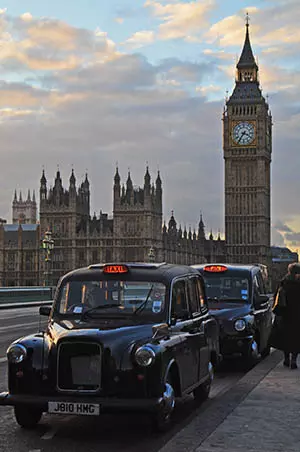
London is made up of distinct areas, each with its own atmosphere. The City of London is the historic centre, while Westminster is home to many of the best-known government and religious buildings. Soho and Covent Garden combine theatres, restaurants and shops with lively streets and squares. Kensington and Chelsea are known for museums, elegant residential streets and gardens. In Greenwich, maritime history, parkland and sweeping views across the city come together.
The terms “district”, “neighbourhood” and “borough” do not always refer to the same kind of area. Boroughs are larger administrative divisions; familiar names such as Soho or Covent Garden refer to smaller neighbourhoods. The City of London is also a separate administrative area with particular historical significance. For planning your trip, the main question is: which places are close enough to visit on the same day?
London’s neighbourhoods vary in location and character—from the bustling West End to areas with maritime history or extensive parkland. Choose a suitable starting point for each day and group places that are close together.
Combine sights thoughtfully
For a first visit, it’s worth choosing a selection of classic sights. Rather than putting as many names as possible on a list, pick a geographic focus and add one or two places that especially interest you. A day around Westminster can take in famous buildings and squares. Another day might focus on historic places along the Thames. Museums, markets and green spaces are good ways to add variety and quieter moments to your itinerary.
The kind of visit also makes a difference. A large museum can fill a substantial part of the day. A walk through a neighbourhood is more flexible, while theatre and live music usually provide a fixed point in the evening. So plan not only for distances, but also for how long you want to spend in each place. If you’re travelling with children, have particular interests or enjoy photography, you’ll often have different priorities from someone whose main aim is to see the central landmarks.
London’s sights include historic buildings, museums, markets, parks and theatres. Choose places that match your interests, then group them by location.
Get off to a good start with an arrival plan
Your journey into the city shapes your first day. London is served by several airports and railway stations in different parts of the city. The best route for you depends on where you arrive and where you’re staying. Considering these two locations in advance makes it easier to plan the onward journey and avoid unnecessary detours with luggage.
Also consider whether you want to schedule a fixed activity on the day you arrive. After a long journey, a walk near your accommodation may be more enjoyable than a tightly packed itinerary. If you arrive early and feel up to it, you could include a nearby attraction. Keeping the first half of the day flexible makes it easier to get started, whatever time you arrive or route you take.
When choosing hotels and accommodation in London, location in relation to your plans is key. If you’re planning to spend several days in the centre, look for good transport links. If you want to explore a particular neighbourhood in greater depth, you could stay there or nearby. Also consider what time of day you’ll be out and how often you’re likely to travel between different areas.
Factor in travel and the rhythm of your day
The London Underground connects many central areas and is often a convenient option for longer journeys. For short distances, a walk can also be a chance to take in your surroundings. So compare not only the distance on the map, but also what the route is like: a short walk through interesting streets can be part of the experience; for longer trips between far-apart places, taking transport usually saves time and energy.
A daily itinerary works especially well when it has one clear main attraction, nearby additions and a break. First decide which museum, building or neighbourhood will be the focus of the day. Then add only places you can reach without a major detour. A café, market or park can be just as worthwhile as another sight—especially if you’d like a quieter spell between longer visits.
When planning your London trip, take your arrival and accommodation into account, along with your destinations and the journeys between them. This helps you create an itinerary that suits your stay and the rhythm of your day.
Experience London your way
There are many ways to discover the city: explore its history, visit galleries and museums, browse markets or spend an evening at the theatre. It can be just as rewarding to pair a well-known place with quieter stops in between. A square, park or street you wander along at an easy pace can be just as much a part of your trip as a visit you’ve planned in advance.
For a first visit, a small selection of classic sights makes a good starting point. On a longer stay, you can add more neighbourhoods and interests. If you already know London, you can tailor your itinerary more closely to particular themes—such as maritime history, architecture, the performing arts or green spaces. The important thing is to make sure the journeys and pace of each day suit your plans.
Start by choosing what you really want to see, group places by location and leave time for breaks. That way, London becomes more than a checklist of stops: it becomes a journey made up of connected experiences.
Make art, markets and performances a reason for your trip
For European painting, the National Gallery at Trafalgar Square is a good choice. In South Kensington, the Victoria and Albert Museum, the Natural History Museum and the Science Museum offer a different mix of design, natural history and science. When it comes to London’s museums, the subject matter helps you decide which one best suits your day. Focusing on a particular part of a collection and then taking a walk makes a good combination if you want to take your time over individual exhibits.
Markets and covered markets also vary: a food market is ideal for culinary discoveries, while antiques or clothing make for a different kind of browsing. For a green change of pace, visit parks and gardens in London. An evening of theatre or live music can round off the day. With a performance as the main event, you can plan a meal, a walk and the journey back in the same part of the city.
