Food and Drink in London
Food and Drink in London London offers British classics as well as cuisines from around the world. Restaurants, street-food stalls and markets...
London is easier to navigate when you plan your arrival, accommodation and daily destinations together. The city is large, and its airports and long-distance railway stations are spread across different areas. Start with your arrival: Which airport or station are you heading to, where is your accommodation, and which places would you like to visit first? These three details give your planning a clear direction. Choosing accommodation with convenient connections to your main plans can make your days run more smoothly.
 Reisetipps London
Photo: Alesia Belaya
London is served by Heathrow, Gatwick, Stansted, Luton, London City and Southend airports. The onward journey depends on the airport, time of day, your luggage and where you are staying. When choosing between London’s airports, it is therefore worth considering the entire journey to your destination. The actual stop where you get off also matters if you arrive by train or long-distance coach. For your first journey, note down the destination address and the relevant station together; this makes the transition from long-distance travel to your stay easier to follow.
Choose somewhere to stay that suits the journeys you will make regularly during your trip. If your main destinations are in the West End, a base with convenient connections to theatres, museums and central neighbourhoods can save time. If your plans include Greenwich, museums in the west or places in the City, different connections may make more sense. Your journey back in the evening should also factor into your decision. London’s neighbourhoods vary in location and character; the specific address remains the key consideration when planning your journeys.
If you are staying for several nights, a location with good connections to different areas of interest can be practical. If you are in the city for only a short time, it often helps to focus each day’s plans on nearby destinations. With children, older travel companions or a lot of luggage, straightforward transfers and breaks can be especially important. Groups may also find it useful to agree on meeting points and shared routes. The nearest station is a starting point, but so is the walk from there to the building itself.
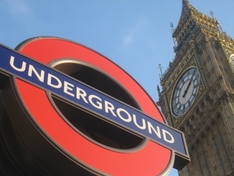
The London Underground, usually called the Tube, connects many parts of the city with the centre and with one another. Buses, the DLR, London Overground and the Elizabeth line complement the network. The best connection depends on your starting point, destination and time of travel. When travelling on the London Underground, the line name, direction and interchange station are the key details to check. A Tube map shows connections, while a street map helps you locate your destination and plan the final stretch on foot.
Short walks can be part of the experience: on foot, you can discover streets, squares and the transitions between different neighbourhoods. Public transport can fill in the gaps over longer distances. Combine the two according to the route and how much walking you want to do. The time needed between arriving at a station and reaching your actual destination includes the walk, access to the building and any breaks. A day at a museum and a long city walk also place different demands on your energy.
When using contactless payment or an Oyster card on the Tube, touch the yellow card reader at both the start and end of your journey with the same card or device. A mobile phone, watch and the corresponding physical bank card count as separate payment methods. On a London bus, you only need to touch your card or device on the reader when boarding. These basic rules, confirmed by TfL, are current as of October 2026. Touch just one card on the reader at a time, and keep any other contactless cards separate from it.
A day’s plans are easier to manage if you decide on a main focus first. Westminster and the Thames embankments can be combined with central landmarks; museums, markets and parks can each make for a visit of their own. Greenwich offers a different geographical focus from the West End, while Kensington and Islington lend themselves to their own combinations. Start by choosing your top London attractions. Then consider how close they are to one another and add a few nearby places each day.
A museum or historic building can take up much of the day. Take into account both the distances involved and how long you would like to spend at each place. A park, a meal or a café break can provide a welcome pause. If your plans include several indoor visits, a walk around the neighbourhood adds variety. London’s weather throughout the year is particularly relevant when planning long stretches outdoors. Dressing in layers and bringing rain protection can make it more comfortable to move between streets, transport and indoor spaces.
Even without a packed sightseeing schedule, you can trace London’s history through specific places. The City of London is the historic core; Westminster is associated with Parliament and the monarchy. In the Docklands, former dock areas and their new uses show how the trading city has changed. A themed walk can put individual buildings and streets into context. For example, set aside one day for the historic City and another for the political history around Westminster.
Meals can form part of your daily plans. London offers restaurants and cuisines from around the world, as well as markets, street food and classic British dishes. When exploring food and drink in London, you can match your culinary interests to the area you are visiting. A market fits in well with a walk, while a longer meal with your companions can provide a transition to an evening at the theatre. If you are travelling with others, agreeing on a meeting point can help you balance different interests with time together.
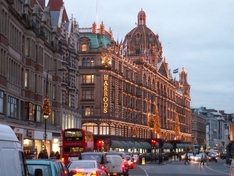
Theatre performances and concerts have fixed start times, so they often shape the end of the day. Leave enough time before the show for your journey, the walk and entry. London nightlife includes a variety of theatres, pubs, bars and music venues; your choice will affect which area works best for the evening. When shopping in London, you can combine shopping streets, department stores, boutiques and markets with other destinations in the same area. That leaves time to explore the surroundings between shopping and cultural activities.
General travel information for London includes travel documents and preparations for entry. The documents you personally need depend on your nationality and purpose of travel. Keep any required documents and booking confirmations close at hand. It is also useful to have your accommodation address, arrival details and an overview of your first day’s destinations saved. An offline map can help you find your way around and see street names and station exits in context.
For a shared daily plan, clear arrangements work well: a meeting point, start time and main destination give the day structure. If people walk at different speeds or have different interests, you can split up for some activities and take breaks together. If you plan to return to your accommodation during the day, include the extra journey from the outset. This helps you tailor the pace and route to the people you are actually travelling with.
Start with your arrival point, accommodation and two or three main interests. Spread these destinations across your days according to their location, group nearby places together, and plan transport, walks and breaks as a whole. A clear focus is useful for shorter stays; with more time, you can add other neighbourhoods. An area-by-area plan is easy to adjust if you spend longer in a museum or extend a walk.
On the day you arrive, consider taking a first walk around the area where you are staying. On the following days, you can focus on major sights and other parts of the city. For your departure, remember to plan the journey to the station or airport and account for your luggage. This kind of itinerary creates a stay made up of connected experiences: getting to know a neighbourhood, visiting a place you have been looking forward to, and leaving time to experience everyday London.